



If you have a job interview coming up in India, here is the short answer: for a corporate role, go with well-fitted formals in neutral colours. For a startup, smart casual - a clean tee or shirt with trousers - works better than a suit. The goal in both cases is to look intentional, not overdressed or sloppy.
Why What You Wear to an Interview Actually Matters
Interviewers form impressions in the first few seconds. That is not a myth - it is documented human psychology. In India especially, where workplace culture still leans traditional in many sectors, showing up dressed right signals that you understand the environment you are walking into. It shows awareness. And awareness is exactly what every hiring manager is looking for.
The mistake most Indian men make is defaulting to one of two extremes: either they show up in a full suit regardless of the company type, or they show up too casual because they heard "startups are chill." Both miss the point.
The Corporate Interview: What to Wear
If you are interviewing at a bank, a large conglomerate, a law firm, a consulting company, or any traditional corporate setup, the dress code expectation is clear: formals.
What that looks like in practice:
A well-ironed full-sleeve shirt in white, light blue, or soft grey. No loud prints, no oversized fits. Fitted trousers in black, navy, or charcoal - not jeans, even dark ones. Formal shoes, preferably leather or leather-look, in black or brown. A belt that matches your shoes. Clean, trimmed nails. No heavy cologne.
You do not need a tie unless the company specifically operates in a field where ties are standard, like investment banking or certain legal environments. In most corporate Indian offices today, a tie-free formal look reads as sharp and current, not underdressed.
One thing Indian men consistently get wrong here: fit. A shirt that is one size too big, or trousers that bunch at the ankle, will undercut an otherwise decent outfit. If your formal clothes are old and don't fit right, it is worth getting one well-fitted shirt and trouser altered before your interview. That single investment pays more than buying new clothes that still don't fit.
The Startup Interview: What to Wear
Startups in India - especially in tech, design, marketing, or D2C - have a very different culture. Walking in with a full suit can actually work against you. It can signal that you don't understand the environment, or that you are trying too hard.
What works here is smart casual, executed cleanly.
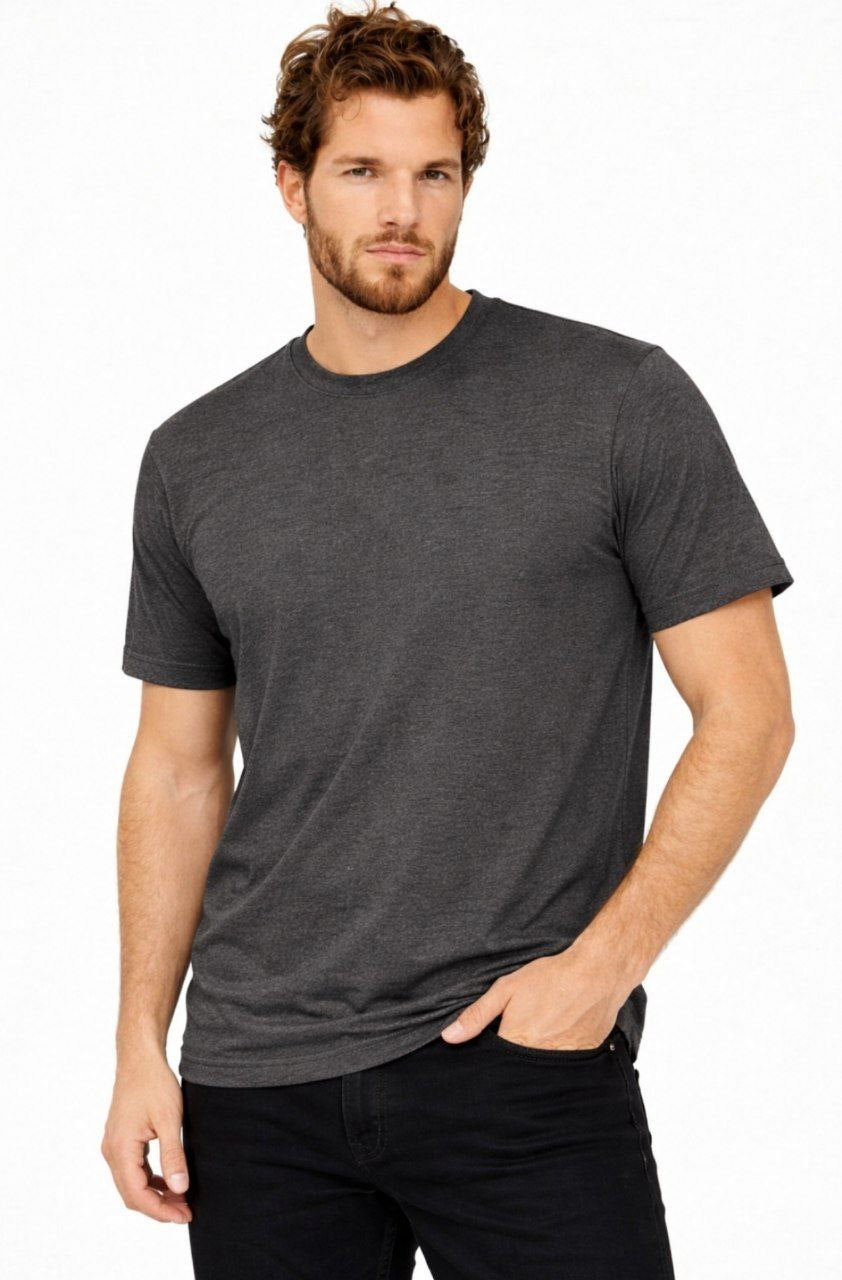
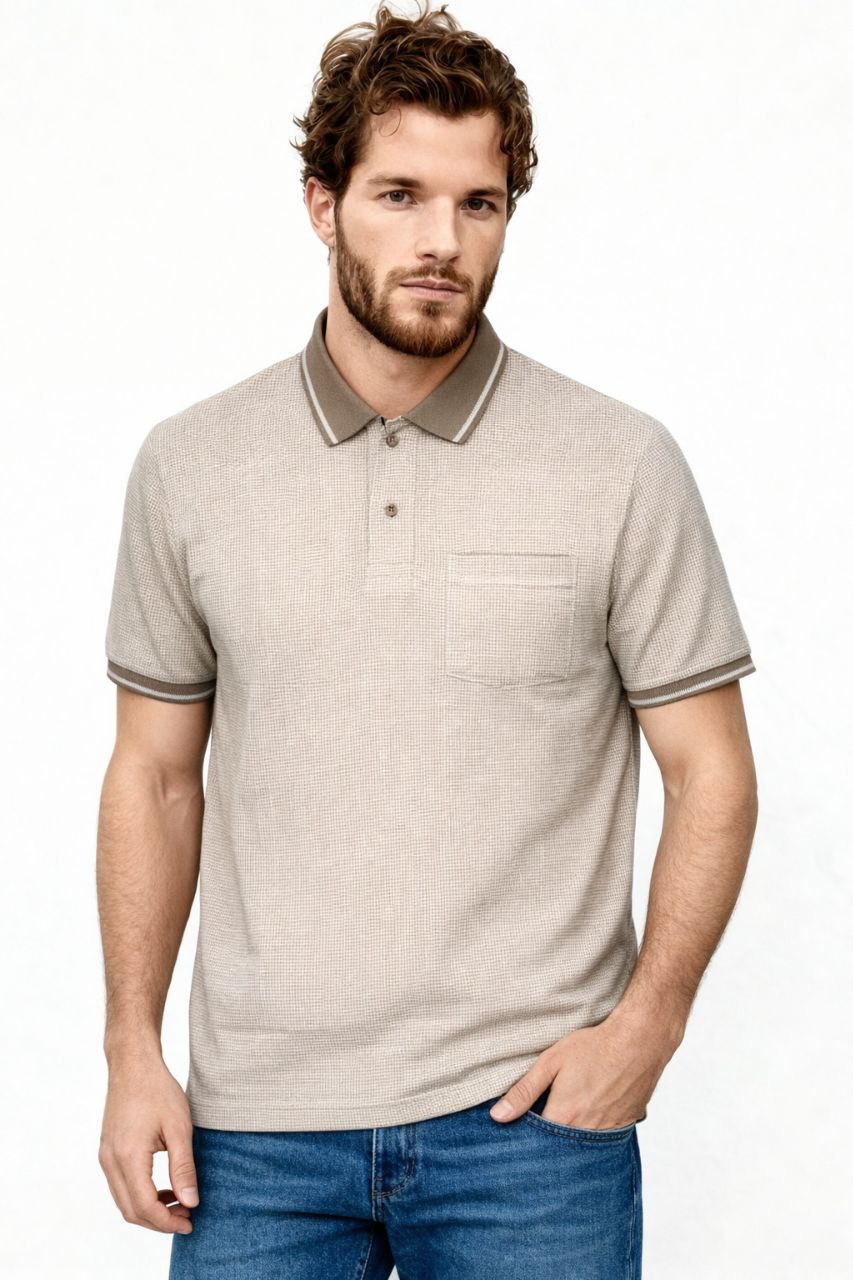
A premium plain tee or a clean half-sleeve shirt in a solid colour. No logos, no slogans. Well-fitted chinos or straight-cut trousers in beige, navy, or olive. Clean, minimal sneakers or loafers. No flip-flops, no overly distressed jeans, no graphic tees.
The key phrase is "clean and intentional." Smart casual at a startup interview does not mean casual. It means you understand style well enough to dress down without looking like you put zero thought into it. That judgment is actually impressive in a startup context.
The In-Between: MNCs and Mid-Size Companies
Many Indian men are interviewing at companies that sit between the two - multinational corporations with progressive cultures, mid-size product companies, agencies. Here, business casual is the right register.
That means: a solid or subtly patterned full-sleeve shirt, tucked in, with well-fitted trousers. You can leave the formal shoes or go with clean leather sneakers depending on the specific company vibe. When in doubt, look up the company's Instagram or LinkedIn - how employees dress in their photos tells you everything.
What to Avoid Regardless of the Company Type
Clothes with visible stains, creases, or fabric damage. Shoes that are scuffed or dirty. Perfume or deodorant applied too heavily. Overly flashy accessories. A watch is fine - keep it minimal.
Also avoid the very common Indian interview mistake of wearing something brand new that you have never worn before. New clothes often fit differently, feel stiff, or have fold marks from packaging. Wear the outfit once before the interview day.
The Underlying Principle
The goal of interview dressing is not to look fashionable. It is to remove clothing as a variable. You want the interviewer thinking about your answers and your presence, not your outfit - in either direction. Dressing right means your clothes do their job and get out of the way.
Frequently Asked Questions
Can I wear dark jeans to a startup interview in India? Yes, if they are clean, well-fitted, and not distressed. Pair them with a neat shirt or premium tee and you will be fine.
Is a suit necessary for corporate interviews in India? In most cases, no. A well-fitted formal shirt and trouser is sufficient. Suits are mainly expected in very senior-level interviews or specific industries like finance.
What colour shirt is best for a job interview in India? White, light blue, and light grey are the safest and most effective options. They read as clean, focused, and professional.
Should I tuck in my shirt for an interview? For corporate and business casual environments, yes. For startups in smart casual, it depends on the shirt - a structured shirt tucked in works, a relaxed tee untucked is fine.
Can I wear a t-shirt to a job interview in India? At a startup or creative company, a premium, plain, well-fitted tee is entirely appropriate. At a traditional corporate company, stick to a formal or semi-formal shirt.
